
REPORT
The Office Ultimatum
Experience and technology, not policy, define the future of work
The future of work lies with organizations that provide the culture and technology for employees to work from locations that best suit their roles. Those organizations will create environments their people can thrive in, while reaping the rewards of optimized productivity and results.
Reality Check
One-Size-Fits-All Works for No One
The COVID-19 pandemic was a workplace lesson no one wanted. Forced into a new reality, organizations scrambled to support tech-powered remote work. It was uncharted territory. But the world learned that working effectively outside the office was possible, even preferable for some. Hybrid workplace structures sprang up where they hadn’t existed before. It was a flashpoint in the cultural evolution of work that rewrote the social contract between employers and employees.
Flash forward to today. From unified collaboration technology to high-quality broadcast and video production, modern workplace technology is about more than technology itself. Workplace tech brings spaces to life, connects people, entertains them, powers work without boundaries and ignites innovation. Tech-powered experiences are creating a new culture of work where how people work is increasingly more important than where they work. Everyone works differently, so focusing on productivity over presence is the key to unlocking employee’s potential.
Some companies are embracing this culture, investing in workplace technology with the mindset of a media company, embracing products like Microsoft Teams, cloud services and others that make collaboration easy wherever employees are. Yet as technology moves forward, others are moving backward. Return-to-office (RTO) mandates from some of the world’s most admired companies lay out strict in-office policies, leaving some employees angry with eroded trust and loyalty. With reductions in available office space creating more crowded workspaces, RTO is even more unappealing to employees who want environments that suit their unique needs.

Experience, Not Location
Hybrid is Now Fit-for-Purpose
The reality is that hybrid has evolved. It is not a pandemic era holdover. Today’s hybrid workplace is fit-for-purpose. So much depends on roles and responsibilities, the industry, company culture and employee preferences. No matter the structure or the mix, success hinges on a powerful combination: modern workplace technology and a trust-based culture.
The case is clear. Organizations must optimize fit-for-purpose workplace structures for the mutual benefit of employees and the business. This means focusing on experience, instead of fixating on location. The good news? Workplace technologies fuel fit-for-purpose work and exceptional employee experiences. But how do organizations know what technology investments to make for the greatest returns?
To find out, Diversified surveyed more than 1,600 US employees¹ to understand their attitudes toward workplace structures and how workplace technologies impact their work and life. This article explores what we learned and includes guidance for increasing technology maturity to support fit-for-purpose work. This insight, paired with strong strategic technology partnership, can help organizations embrace a modern and more effective workplace and technology strategy.
Survey Insights: At a Glance
Survey Insights: The Details
The New Hybrid Reality
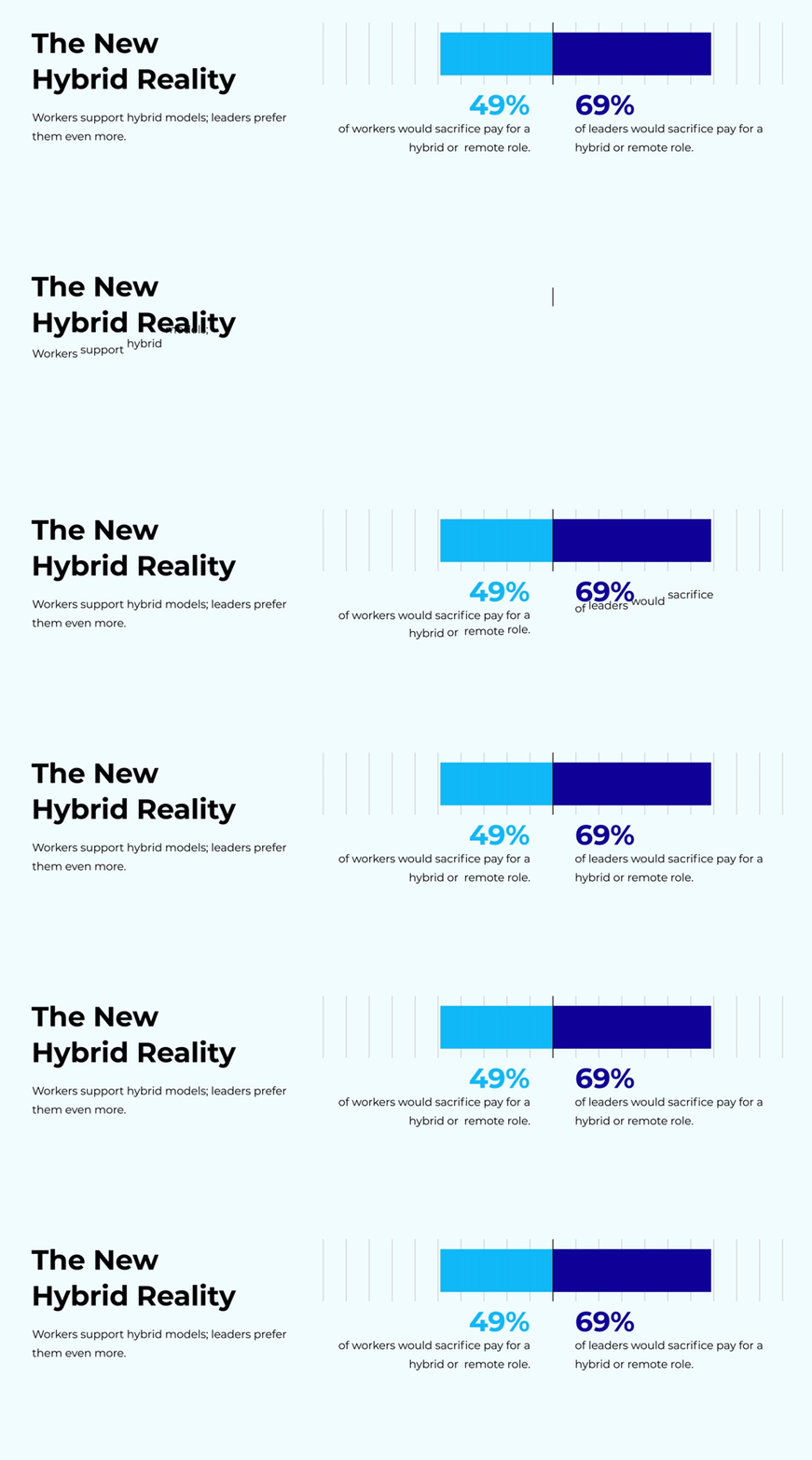
Employees prefer hybrid models; leaders prefer them even more.
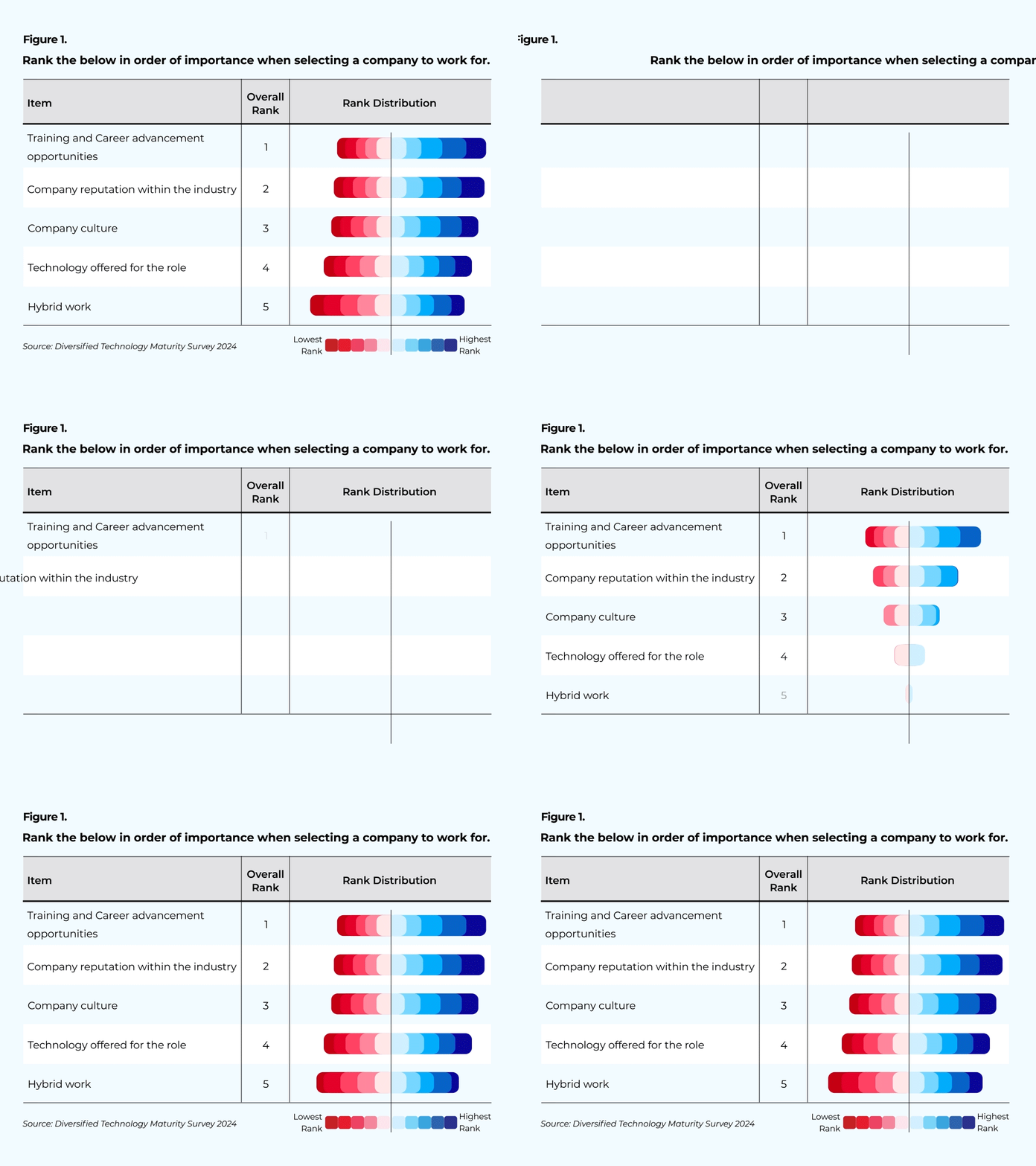
The survey results confirm that employees care about workplace structures. A strong majority (86%) consider them when determining what company to work for. Hybrid is among the top five considerations, more important to employees than in-office and remote work options (Figure 1). Interestingly, employees’ other top considerations (desire for training and career advancement opportunities, concerns about company reputation, and culture and technology offered for the role) all factor in to how successful employees ultimately are in hybrid work.
77%
of our survey respondents work in organizations that offer hybrid work options today.
60%
of these respondents work in the office three to four days a week; 32% work one to two days a week in the office.
Most survey respondents work in organizations that offer hybrid work, and they are overwhelmingly positive about the experience. Ninety-two percent think their company has done well integrating hybrid and remote work. And 94% believe that hybrid is here to stay. However, they are less confident that the benefits of hybrid outweigh the challenges—just 56% of employees believe this. According to the Gallup Hybrid Work Indicator, employees say that that lack of access to resources and equipment (#1) and less team collaboration are among the top challenges (#3).4
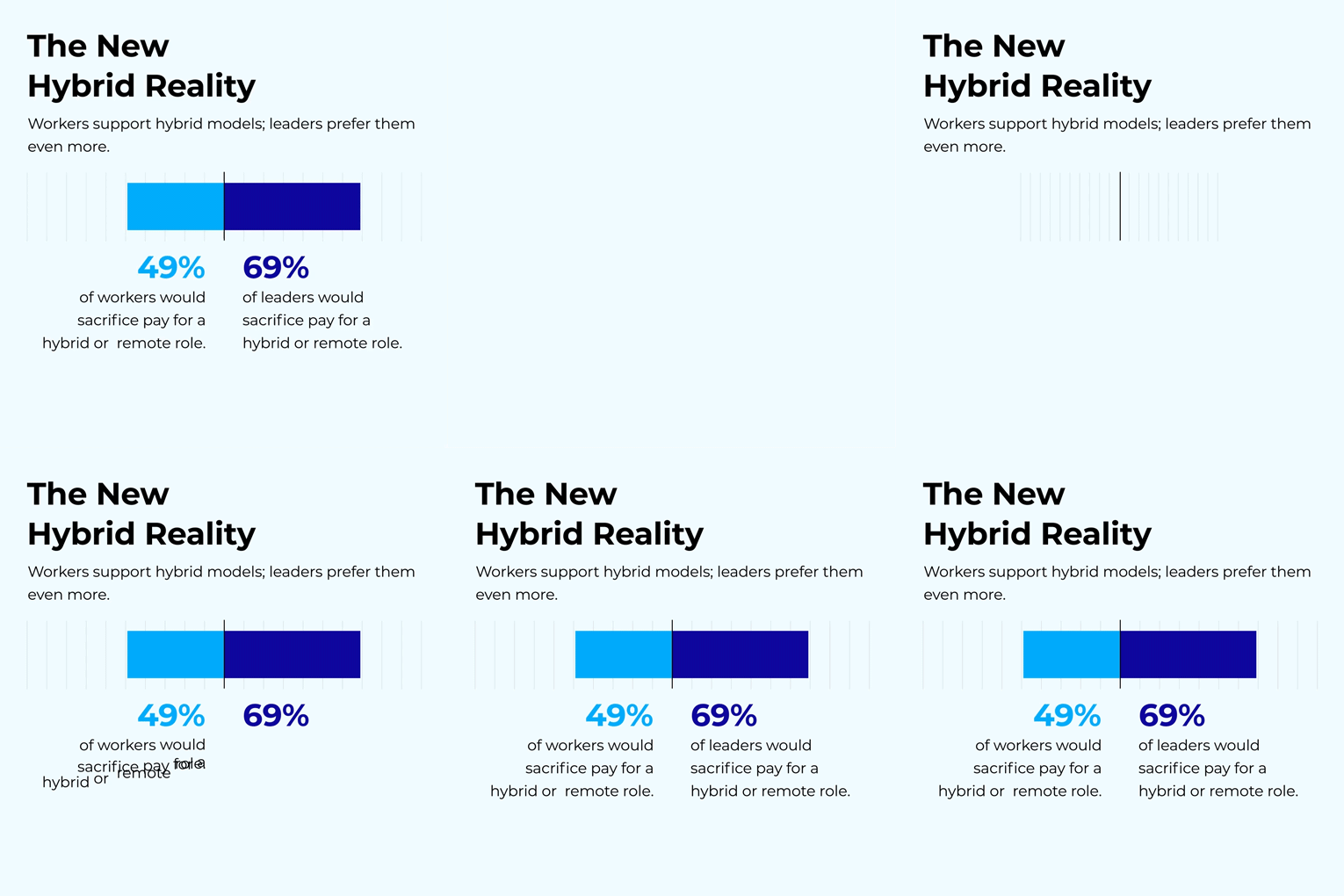
When comparing workers’ and leaders’ views of hybrid work structures, it is striking that leaders prefer them even more. They are 20% more likely (69% versus 49%) to sacrifice pay to ensure a hybrid work environment in a new role. This could be because leaders have more financial freedom to take a pay cut. Or it could be because leaders seek out employers that they perceive to be more supportive of work outside the office.
Both workers’ and leaders’ support of hybrid reflects a fundamental need: flexibility. In fact, Zoom reports that 82% of leaders expect to make their working models more flexible over the next two years.5 Employees have their preferences. The nature of roles matters. The employee experience matters. And working without boundaries means different things to different people, often within the same organization. Research confirms that high-performing employees are the ones who enjoy the work, and flexibility often fuels enjoyment.6 This is why fit-for-purpose models over blanket mandates are well aligned with the changing culture of work.
The Tech Investment Gap
Companies are underinvesting in modern workplace technologies.
The days of handing new employees their laptops and sending them on their way are long gone. Even the frequency and purpose of work-related travel has changed for many. In the digital era—and given the prevalence of hybrid and remote work and remote communications more generally—organizations are on the hook for providing more and different workplace technology. This includes everything from intuitive collaboration tools to standardized conference rooms with advanced AV technologies.
As important as workplace technology is, the survey results suggest that enterprises are falling short in provisioning them for employees. A surprising 88% of employees report that the limitations of their company’s workplace technology constrain their creativity and problem solving. This is a massive liability for business. According to a McKinsey study, 77% of senior leaders believe that creativity is a key factor for driving business growth.7
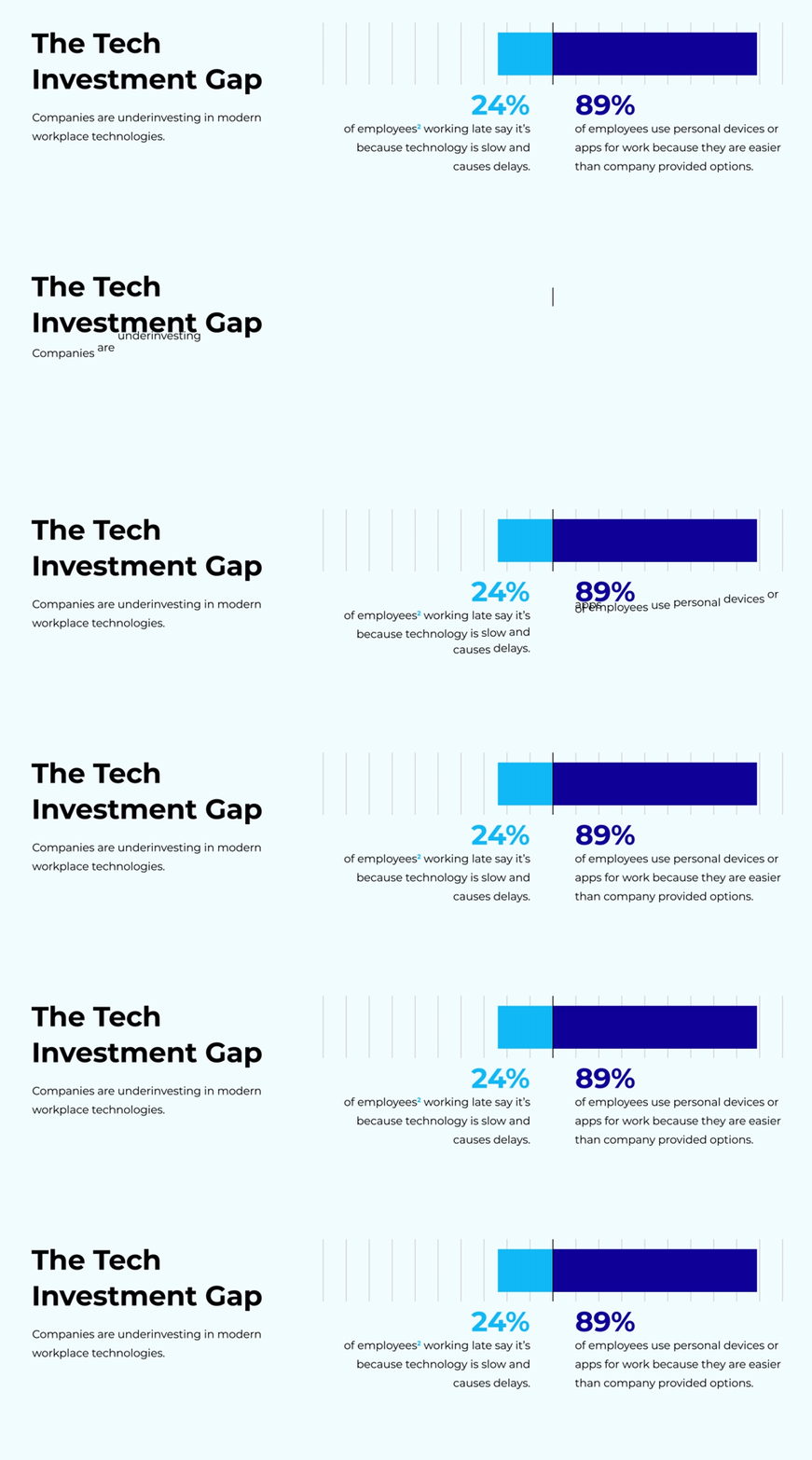
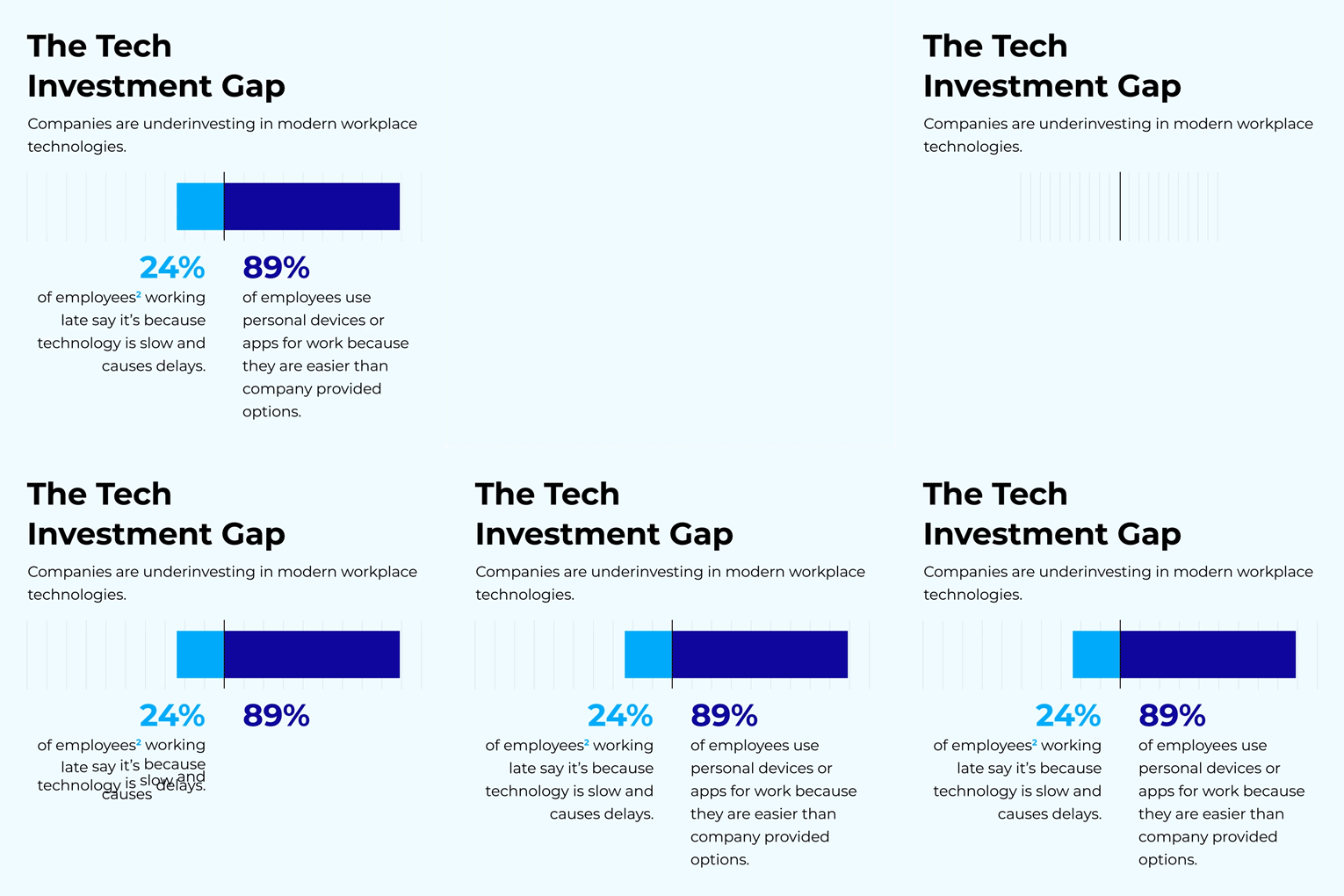
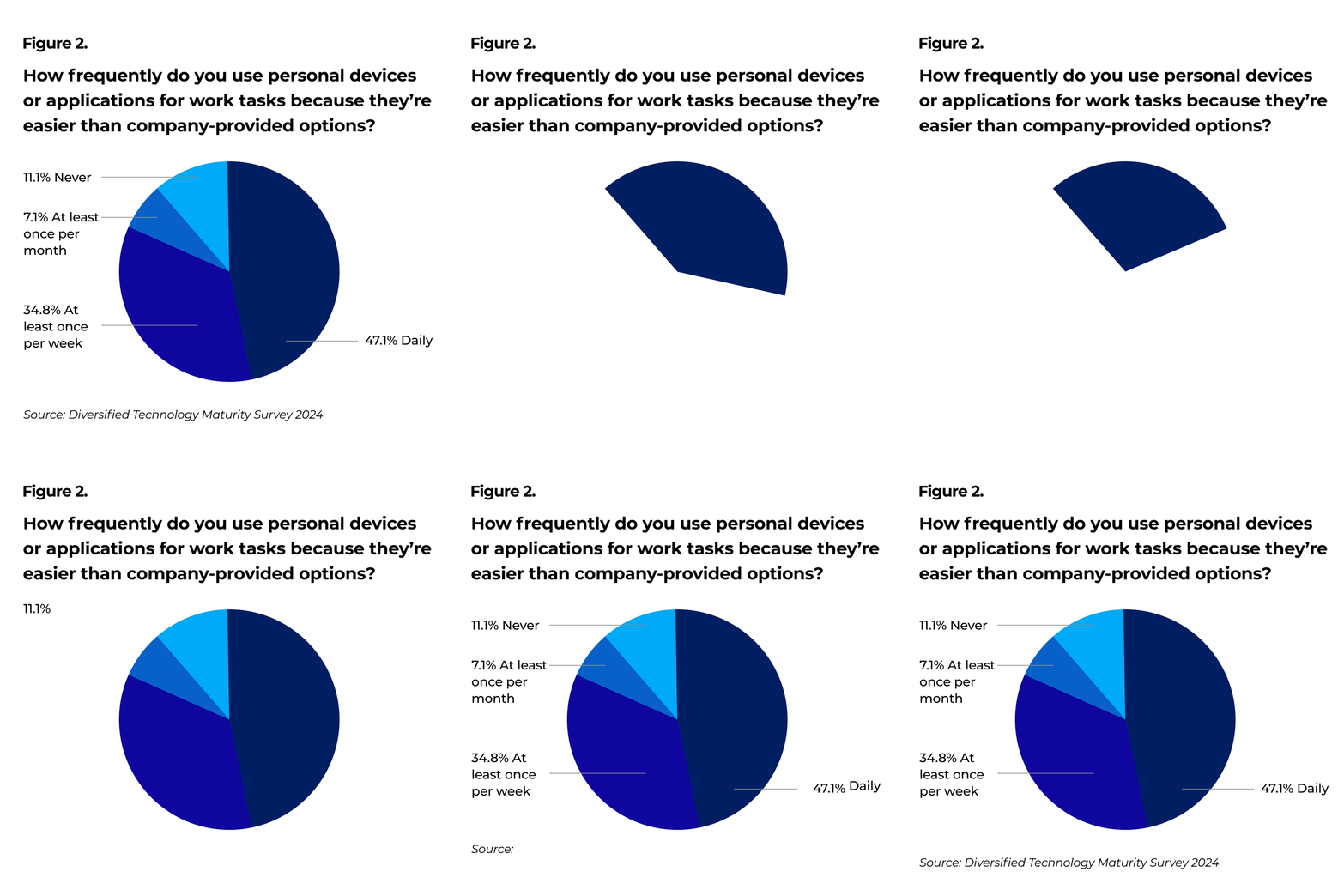
To get the technology support they need, employees are finding they must get creative and “go rogue” by using their personal technology instead. Eighty-nine percent use their personal devices or apps for work tasks because they are easier than company-provided options, or when nothing else is provided. Most do this daily (Figure 2).
This behavior introduces a modern breed of shadow IT that brings unwanted risk to the enterprise. Employees’ personal devices don’t have the security that company-issued devices do, which makes them more vulnerable to malware, hacking or unauthorized access. Personal technology also involves a maze of other issues around compliance, data management, network vulnerability and more.
In another surprising finding, the survey uncovers a connection between after-hours work and insufficient workplace technology. Ninety-four percent of employees have worked past their regularly scheduled hours. One in four say it’s because of slow technology that causes delays. This is ironic given that improving productivity is at the heart of the debate about RTO and work structures.
To get the experience they need, employees are using their personal devices at work—even though 75% know that company devices protect data better.
Workplace technology is evolving fast. As technology advances —and work structures evolve—employees need different technologies to do their jobs well.
- Basic video conferencing
- Traditional screens
- Basic home office AV
- Basic collaboration tools
- Smart conference rooms
- Smart screens
- Smart cameras and audio
- Immersive collaboration environments
- Basic AI virtual assistant
- AI-driven conference room personalization
- Holographic displays
- Smart AV with health monitoring
- VR headsets for collaboration
- Personalized AI virtual assistant
Want to up your workplace technology game?
Our Strategy & Design Services transform spaces with next-level experiences, hybrid work collaboration, mission critical environments, security and compliance, sustainability and more.
Human Factors Matter
Workplace tech goes beyond boosting productivity—it’s linked to profoundly human issues.
Thanks to generative AI, much of the conversation about workplace technology today is about productivity. But workplace technology is deeply connected to the human experience too. The dynamic is a double-edged sword. Always-on technology powers the possibility of fit-for-purpose work. While it helps employees work without boundaries, many feel more tethered to work.
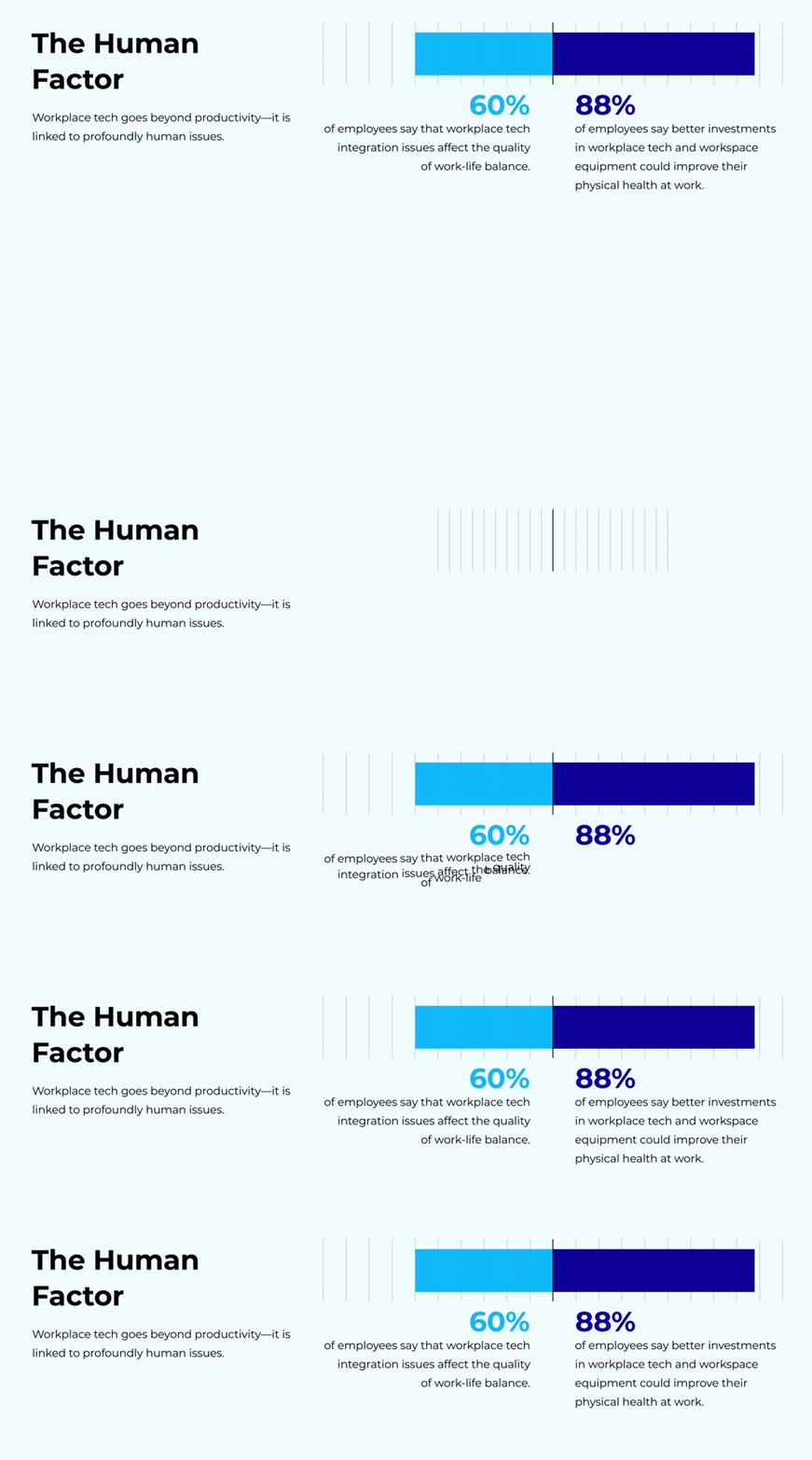
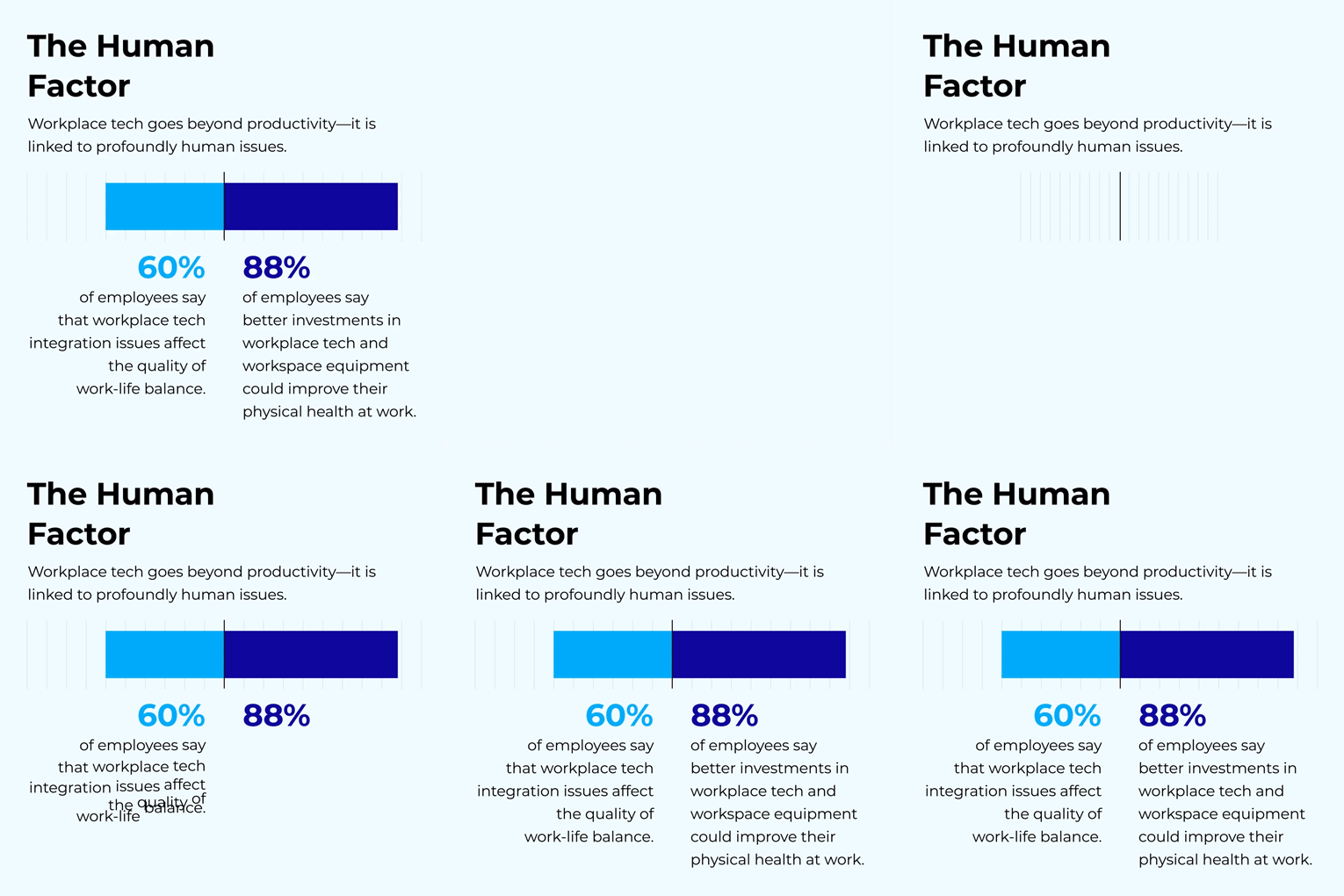
Consider the relationship between workplace technologies and work-life balance, a critical issue for employees. Just over one-quarter (27%) of US employees quit their jobs in 2023, and lack of work-life balance was one of the top three reasons why.8 According to our survey, 60% of employees say that workplace technology integration issues affect the quality of their work-life balance. And 76% feel like they must be on all the time because of their company’s communications technologies.
.png?width=735&height=555&name=AdobeStock_624450057%20(1).png)
Five Technology Musts for Meeting Equity





Workplace technology also impacts employees’ physical health. Nearly half (48%) have experienced physical discomfort that they attribute to technology. At the same time, 88% believe that better investments in workplace technology could improve their physical health at work. These investments include things like AI-powered movement tracking cameras, oversized digital screens, adjustable desks and blue light blocking screen covers.
There is also the very human issue of equity. An overwhelming 76% of employees say their organizations’ technology systems create or reinforce workplace inequalities. This suggests a “them vs. us” dynamic connected to technology provision. Certain roles may get better quality technology, more regular technology refreshes or bigger stipends to equip their home offices. Other roles that require precise technical capabilities may be required to make-do with standard provisioning. In our experience, these budget decisions are often based on a set of standards for the masses or hierarchal structures that invest more in senior employees even if junior staff need more tech tools to do their jobs. Meeting inequity is also a pressing problem. Without collaboration and AV technologies, remote employees often struggle to engage and feel their voices are not heard or valued.
The good news is that workplace technology (because it enables hybrid and remote work) has a positive impact on family dynamics. Ninety-two percent of employees feel stronger connections with their children when working at home. Most say flexible work helps them support their kids’ emotional needs (79%) and get more involved in their education (85%). Hybrid and remote work structures also positively transform societal norms. People who can’t work in the office due to chronic illnesses, disabilities or other circumstances now have opportunities that were not open to them before.
The Tech Win-Win
Creatively reinventing workspaces benefits employees—and the business.
As organizations create fit-for-purpose work structures tailored to employees’ work-related and human needs, workplace technology must be at the core. Doing this should not be about investing in the latest shiny tech object because it’s cool. The latest technology is not always the greatest.
Workplace technology investments should be as fit-for-purpose as work models are. Hybrid and remote employees need home office technology that amps up productivity and creativity, increasing connection while letting them log off on-time to be with family and friends. In-office employees depend on collaborative workspaces built on an adaptive and secure technology infrastructure that allows them to make the most of face-to-face time with colleagues and clients.
Supporting the employee experience like this can deliver the tech win-win. Employees are set up for satisfaction, engagement and productivity. And the business is set up for better retention, innovation and productivity—and to foster a culture and employer brand that attracts top talent.
For organizations that want to encourage more employees to work in the office, the goal is to create comfortable, tech-powered workspaces that deliver experiences worth having. No one wants to go to the office just to sit in a cube. It’s not much different than being at home. Organizations need to give employees reasons to make the trip, providing social engagement and entertaining work-related events. It comes down to creating an environment where employees want to be. There are important distinctions here. For example, room scheduling technology is a utility that is unlikely to be a big draw. But pair it with immersive, touch-screen digital canvases where teams can brainstorm in real time or AV pods that support focused discussions, and the office can become an experience destination for employees.
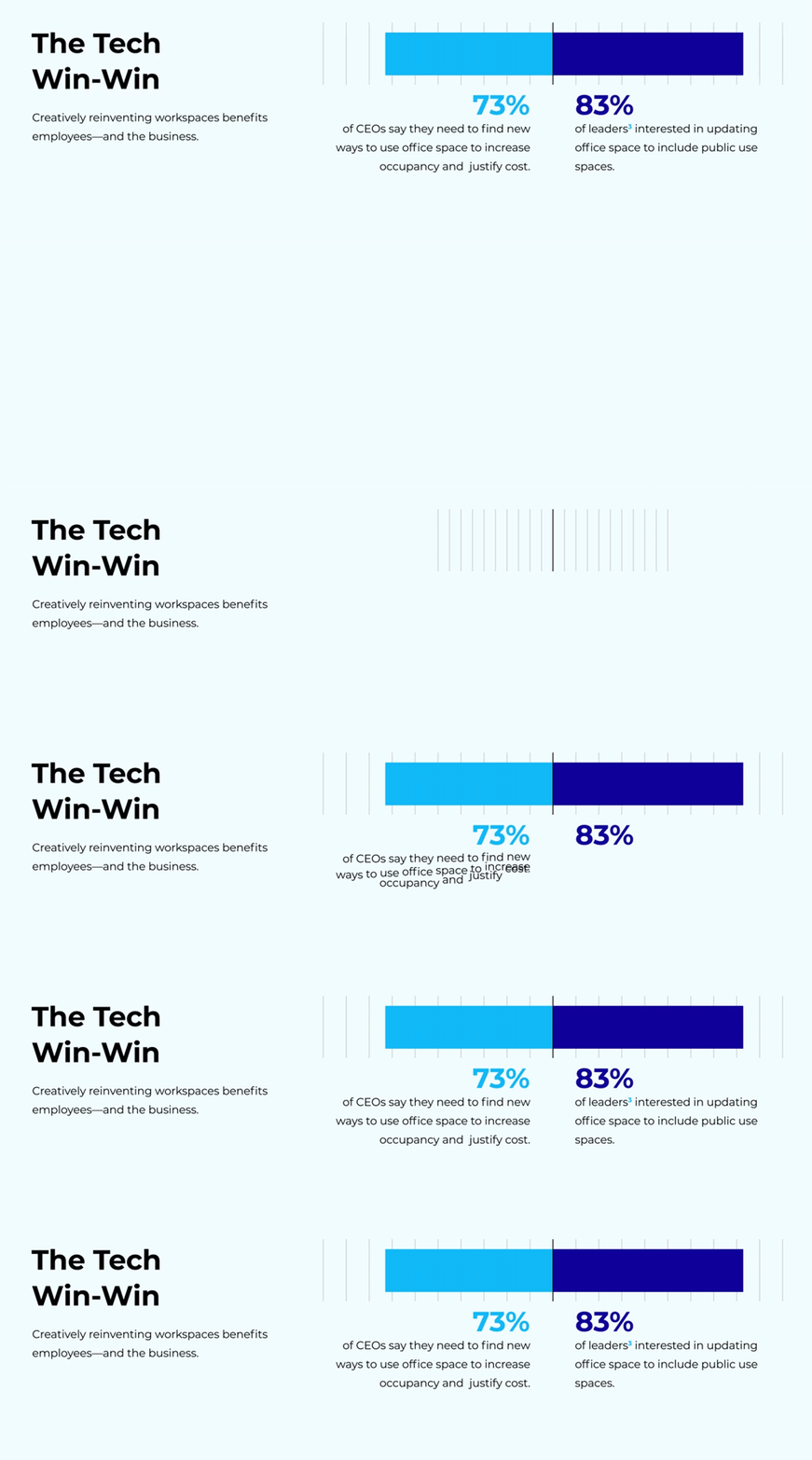
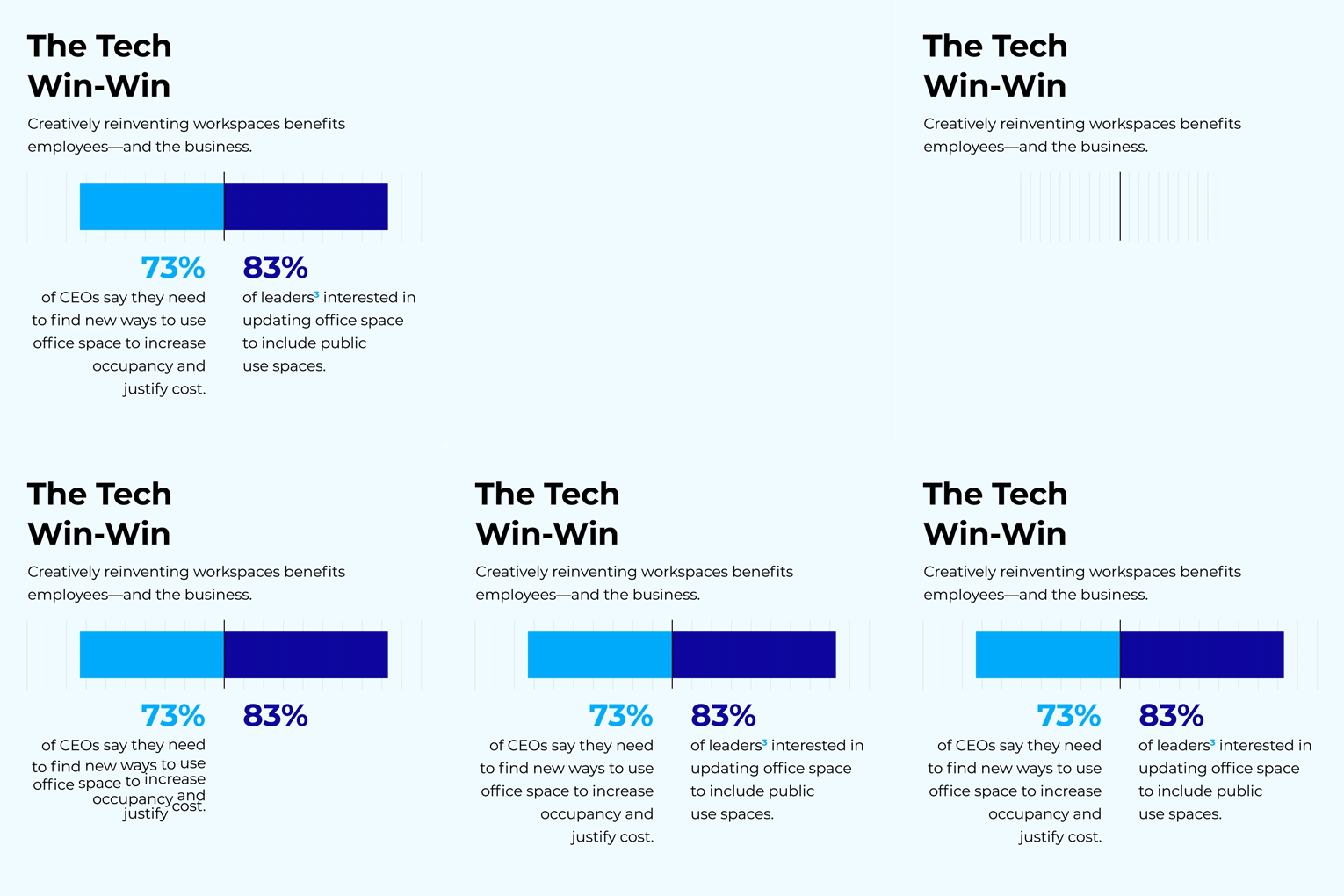
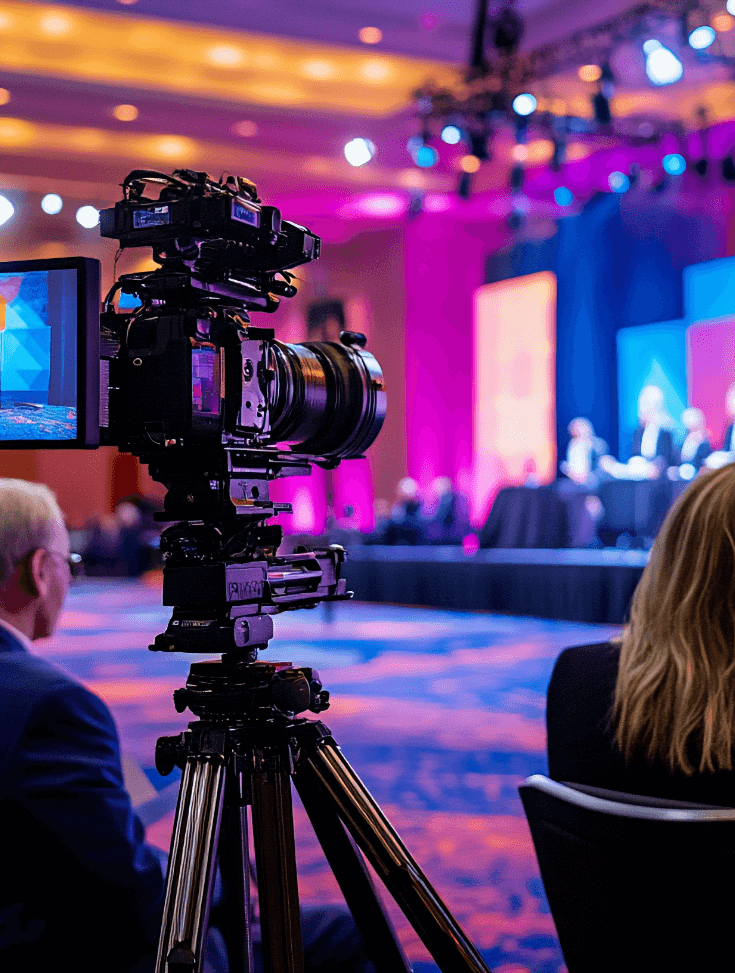
Leaders say that re-imagining office space in ways like this is a priority. Seventy-three percent of CEOs want to find new ways to use office space to increase occupancy and justify cost. Thinking creatively—and letting go of how things have always been done—is key. An organization with a large hybrid workforce might shift tech investments from large auditoriums for town halls to broadcast studios that livestream them. As leaders rethink their real-estate footprint, 83% are interested in updating office space to include public use spaces. They are most interested in shared revenue models with service providers for exclusive access or partnerships, subscription services for clients to access specialized resources and hosting events, conferences or workshops.
Ready to reinvent your workplace?
At Diversified, we can help your make the plan and implement it. Our teams combine industry knowledge and experience to:
- Understand the key outcomes
- Conceptualize the space you envision
- Design and engineer a space that performs
Recommendations
Get Ready. Get Real.
Get Rolling.
Principles of Success
There are many reasons for the surge in RTO policies. For some, it could be the right choice. But it isn’t the right choice for all. In some cases, organizations aren’t accepting the challenge of managing a hybrid workforce, reverting to familiar yet dated practices. Given what employees are telling us, this is a mistake in the long run. With fit-for-purpose models powered by technology, organizations can draw employees back to the office with a strong purpose and valuable activities while keeping their trust. While fit-for-purpose isn’t one-size-fits-all by definition, there are basic principles for making technology investments in today’s culture of work.
Zero in on experience.
Modern workplace technology delivers experiences that transcend it. Experience must be the lens for making technology investments. It’s essential for leaders to define the desired employee experience, identify the technology that enables it and shape the culture to support it. By embracing an “experience over everything” investment philosophy, leaders can create value for employees, and in turn, for the business. This is a powerful act of leadership. Instead of mandating employees to come back to the office to improve engagement and productivity, leaders understand that in today’s work environment, every company is a media company. Put simply, they must use tech to deliver experiences that engage people.
Prepare IT for a new world.
IT has a central role to play in the era of fit-for-purpose work structures and will continually be asked to be responsible for more. IT leaders should explore revisiting rigid policies around the use of employee-owned devices, finding a new balance between flexibility and security. As the combination of physical and technical infrastructure is increasingly recognized as a dual strategic asset, IT leaders will need to effectively collaborate with facilities leaders and track return on investment. With more employees working at home, IT should get more intentional about assisting employees with optimizing their home offices, from device provisioning to training and guidance.
Make data-driven decisions.
Determining the right work structures shouldn’t be about the personal preference of the leadership team. These are decisions that touch employee experience, culture and brand and can ultimately impact competitiveness. Grounding decisions in data is more insightful, reduces the risk of a bad decision and yields stronger results faster. Plus, the optics are far better for employees and other stakeholders. Leaders can get insights from workforce productivity data, employee surveys and industry benchmarks. They can also track how meeting space is being used so they can redirect usage where it makes sense. Leaders should address these issues regularly, experiment with proofs of concept and champion training and communications initiatives to support employees through change.
An Honest Technology Assessment
The Essential First Step
How can leaders get started developing their workplace technology strategy?
The essential first step is taking an honest, objective look at the current state to understand the technology needed to run the business today, not yesterday. Take a top-down approach to developing personas that represent working styles across all roles. This means developing a baseline of the technology investment necessary to power productivity, equity and satisfaction in every role. These inputs can be used to create a technology roadmap that aligns with business objectives and human needs.
Workplace technology is a big driver of the changing culture of work—and will become even more so in the AI era. In a world where the right technology can empower employees to work without boundaries, workplace structures should be fit-for-purpose. Flexible. Human. Honest. Grounded in what’s right for the industry, company, role and employee.
Photo credit: Design Architect: Perkins+Will | Lifestyle photos
© Kathleen Hinkel